
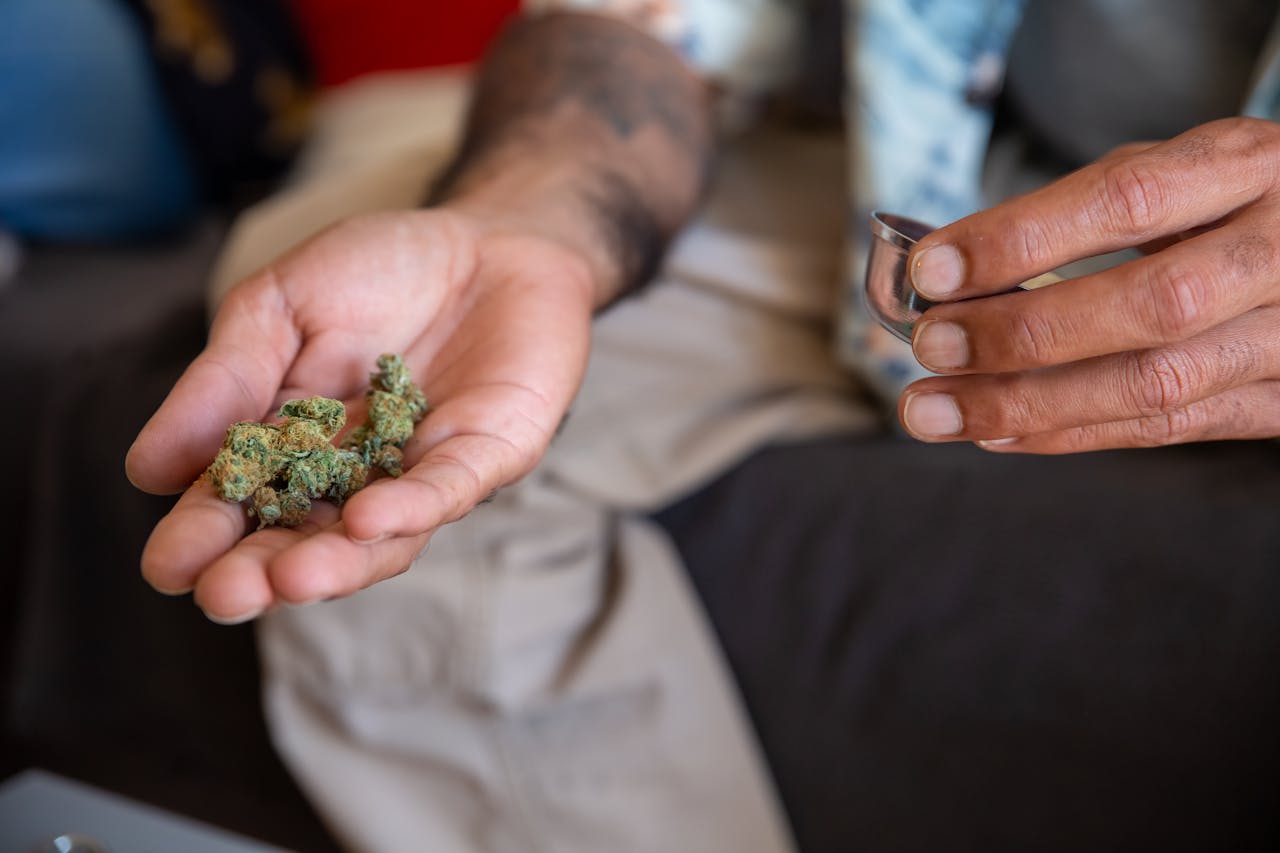
The Link Between Marijuana Use and Anxiety
Get Help Today
Marijuana can affect the brain in ways that increase anxiety for some people. While some use it to relax, frequent or high-dose use may worsen nervousness, panic, or racing thoughts, especially in individuals already prone to anxiety disorders.
Table of Contents
Some people turn to marijuana when stress feels hard to manage. At first, it may seem to bring calm or mental escape. For some, though, that relief fades quickly. Then worry, fear, or restlessness may return even stronger. People seeking marijuana addiction treatment services Virginia often describe this pattern. A person may use marijuana after work to relax, yet still feel anxious later that night. That cycle deserves careful attention. The link between marijuana use and anxiety affects more than mood alone. It can shape sleep, focus, relationships, and daily choices. At the same time, it may also affect spiritual peace and emotional stability. For example, ongoing anxiety can make prayer, reflection, and self-control feel harder. Still, this struggle does not mean you are without hope. Honest support, sound treatment, and faith can help you look at the issue clearly and take healthier steps.
How marijuana affects the mind and body
Marijuana affects the brain by changing how certain signals work. It acts on areas linked to mood, memory, focus, and reward. As a result, you may feel relaxed at first. Yet your thinking may also slow down or feel less clear. Some people in Virginia substance abuse treatment describe feeling calm one hour and uneasy the next. Short-term effects can include dry mouth, faster heartbeat, poor focus, and changes in time perception. In some cases, fear or panic appears instead of calm. For example, one person may feel quiet after a small amount. Another may feel suspicious or overwhelmed in the same setting.

Your reaction can differ because your body, history, and habits all matter. A higher dose may raise the risk of confusion or anxiety. Frequent use can also affect sleep, energy, and emotional control. For instance, a person with past anxiety may feel more panic after using marijuana. Someone under stress may also notice stronger negative effects. These physical changes often connect with emotional struggles, which can make daily life harder over time.
Understanding marijuana use and anxiety
The connection between marijuana and anxiety can be hard to notice at first. Some people feel calm soon after using it. However, that feeling may not last long. Later, the same person may feel more worry, panic, or racing thoughts. People in dual diagnosis treatment centers in Virginia often describe this pattern. For example, you may use marijuana to relax after a stressful day. Yet an hour later, your heart may race, and your thoughts may feel hard to control. This is one reason the link between marijuana use and anxiety can feel confusing.
Frequent use can also affect sleep, focus, and mood over time. You may fall asleep faster at first, but still wake up tired or unfocused. In addition, regular use may make daily stress feel harder to manage without marijuana. For instance, a person may feel calm during use but more irritable the next morning. Another may struggle with concentration at work or school. As a result, anxiety can grow while the cause stays hidden. That is why honest reflection matters. It helps you see patterns clearly and make healthier decisions.
Why do people turn to marijuana when anxiety feels overwhelming
Stress, loneliness, trauma, and emotional pain can make marijuana feel like a quick answer. In hard moments, you may want relief that works fast. That is why some turn to marijuana after conflict, grief, or daily pressure. Many in inpatient substance abuse treatment Virginia describe using it to quiet anxious thoughts. For example, someone may smoke after a tense family argument. Another may use it at night to escape painful memories. At first, that choice may feel helpful. However, the relief often fades, and the deeper pain stays in place.

Fear and pressure can slowly shape unhealthy coping habits. You may start believing marijuana is the only way to calm down. Then anxiety can grow each time life feels hard. This pattern can also affect your faith. Instead of seeking comfort through prayer, support, or scripture, you may lean on a short-term escape. Still, honest self-reflection can help you change direction. Ask yourself what triggers your need to use. Notice when the urge feels strongest. Then bring that struggle to God without shame. Healing often begins when you face the pain clearly and seek comfort in the right place.
What faith, support, and healthy coping can offer
When marijuana use and anxiety begin to affect your peace, faith can offer steady support. Prayer can help you slow down and think clearly during anxious moments. For example, you might pause for two minutes and ask God for calm before reacting. Scripture can also guide your thoughts when fear feels strong. Philippians 4:6-7 speaks about peace in times of worry. Second Timothy 1:7 reminds you that God gives strength and self-control. These truths can help you respond with more clarity. At the same time, healthy support from others can keep you grounded.

Practical help also matters during recovery and emotional stress. Support often works best when it includes both faith and action. You may benefit from help like this:
- A counselor who understands anxiety and substance use
- A support group with honest weekly accountability
- A trusted mentor who encourages wise next steps
Healthy coping habits can also reduce pressure during hard days. A short walk can lower tension. Journaling can help you name triggers. A structured routine can make your day feel more stable. Over time, spiritual and practical support can work together and help you heal.
Choosing peace and healing over temporary escape
Choosing peace often requires honest reflection about habits that shape your well-being. Relief from marijuana may feel quick, yet it may not address deeper emotional struggles. The link between marijuana use and anxiety shows how temporary escape can sometimes increase long-term stress. Therefore, real healing often begins with healthier choices. Faith, support, and practical coping skills can guide you toward stronger stability. Prayer can help you slow down and reflect before reacting. At the same time, trusted mentors, counseling, and structured routines can support daily progress. Small steps such as walking, journaling, or speaking openly about anxiety can also bring clarity. Over time, these choices can help you replace temporary relief with steady peace, stronger faith, and lasting emotional healing.

